



Commercial Contracting (L4M3)

Module Purpose

On completion of this module, learners will be able to describe the key elements and legal aspects of formal commercial contracts, analyse and interpret the fundamentals of specifications and key performance indicators that are included in contractual arrangements made with suppliers.

Module aim(s)

In any organisation, a significant element of the procurement and supply function is based around the contracting process. If they are to be successful, contracts must be clearly defined, aligned with legal requirements and contain key clauses and terms. This module is applicable for all procurement and supply professionals as it highlights legal principles that professionals should consider when developing contractual relations.

Next steps

Starting a CIPS qualification programme means you will join the largest institute in the world for those working in procurement and supply. You can join as a student member online today. Once joined you can book your examinations online

Key Module Details

Icon showing the letter C, with CORE MODULE written below the circle.

Icon showing the letters OR, with OBJECTIVE RESPONSE EXAM written below the red-bordered circle.

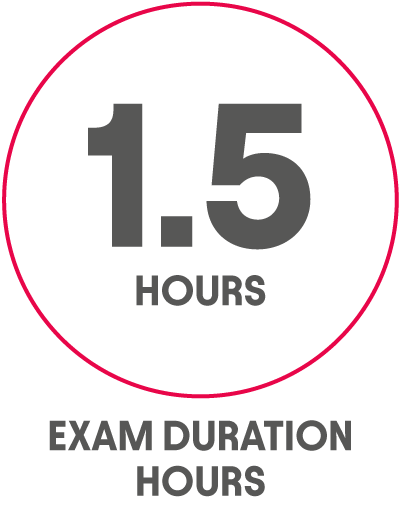
 Icon showing the number 1.5 and the words HOURS, with EXAM DURATION HOURS written below the circle.

Icon showing the number 60 and the word HOURS, with MODULE LEARNING TIME written below the circle.

Icon showing the number 6 and the word CREDITS inside a red-bordered circle.

Icon showing the number 60 and the word QUESTIONS, with IN THIS EXAM written below the circle.

DOWNLOAD FULL SYLLABUS

Learning outcomes, assessment criteria and indicative content

1.1 Analyse the documentation that can comprise a commercial agreement for the supply of goods or services

  • 1.1.1Invitation to tender or request for quotation
  • 1.1.2Specifications
  • 1.1.3Key performance indicators (KPIs)
  • 1.1.4Contract documentation
  • 1.1.5Pricing and other schedules (such as for health and safety records, details of supplier’s staff, use of sub-contractors, non-disclosure/confidentiality agreements)


1.2 Analyse the legal issues that relate to the creation of commercial agreements with customers or suppliers

  • 1.2.1Invitation to negotiate, also known as invitation to treat in English law
  • 1.2.2Principles relating to offer and acceptance, consideration, intention to create legal relations and capacity to contract
  • 1.2.3Principles relating to the battle of the forms and precedence of contract terms
  • 1.2.4Risks presented by contracting on supplier’s terms
  • 1.2.5Risks presented by contracting oral contracts
  • 1.2.6The Vienna Convention provisions for the International Sale of Goods and the impact on the formation of a contract
  • 1.2.7Misrepresentations made at pre-contract award stages

1.3 Compare types of contractual agreements made between customers and suppliers

  • 1.3.1One-off purchases
  • 1.3.2Framework arrangements and agreements
  • 1.3.3The use of mini-competitions
  • 1.3.4Call offs
  • 1.3.5Services contracts
  • 1.3.6Contracts for the hire and leasing of assets

2.1 Analyse the content of specifications for procurement activities

  • 2.1.1Benefits and risks of market dialogue with suppliers
  • 2.1.2Drafting of specifications to form a binding legal document

2.2 Appraise examples of key performance indicators (KPIs) in contractual agreements

  • 2.2.1Defining contractual performance measures or key performance indicators (KPIs)
  • 2.2.2The use of service level agreements (SLAs)
  • 2.2.3Typical KPI measures to assess quality performance, timeliness, cost management, resource efficiency and delivery

3.1 Analyse sources and purpose of contractual terms for contracts that are created with external organisations

  • 3.1.1Express and implied terms: understand the role or use of different types of contract terms
  • 3.1.2The use of standard terms of business by both purchasers and suppliers
  • 3.1.3The use of model form contracts

3.2 Recognise examples of contractual terms typically incorporated into contracts that are created with external organisations

  • 3.2.1Key terms in contracts for indemnities and liabilities, sub-contracting, insurances, guarantees and liquidated damages
  • 3.2.2Terms that apply to labour standards and environmental, social and governance issues

3.3 Recognise types of pricing arrangements in commercial agreements

  • 3.3.1The use of pricing schedules
  • 3.3.2The use of fixed-pricing arrangements
  • 3.3.3Cost-plus and cost-reimbursable pricing arrangements
  • 3.3.4The use of indexation and price adjustment formulae
  • 3.3.5The use of incentivised contracts
  • 3.3.6Payment terms


View other modules

Select a module below for more information: