Supplier Relationships (L4M6)

Module purpose

On completion of this module, learners will be able to analyse the dynamics of supplier relationships, examine the processes and procedures for working with stakeholders and explain the concept of partnering.

Module aim(s)

In any organisation, a significant element of the procurement and supply function is based around decisions to source activity from external suppliers. Once agreements have been made, the relationship established with the supplier is paramount to success. This module is designed for those with responsibility for managing relationships with suppliers and other stakeholders, and those with the responsibility for establishing and developing formal partnership relationships.

Next steps

Starting a CIPS qualification programme means you will join the largest institute in the world for those working in procurement and supply. You can join as a student member online today. Once joined you can book your examinations online

Key Module Details

Icon showing the letter C, with CORE MODULE written below the circle.

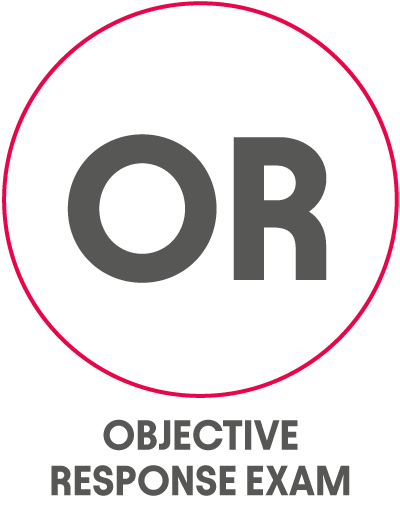
Icon showing the letters OR, with OBJECTIVE RESPONSE EXAM written below the red-bordered circle.

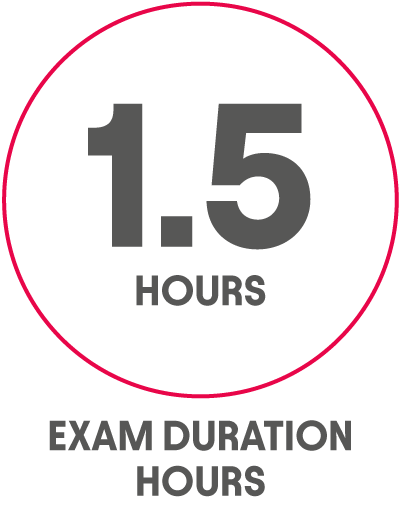
 Icon showing the number 1.5 and the words HOURS, with EXAM DURATION HOURS written below the circle.

Icon showing the number 60 and the word HOURS, with MODULE LEARNING TIME written below the circle.

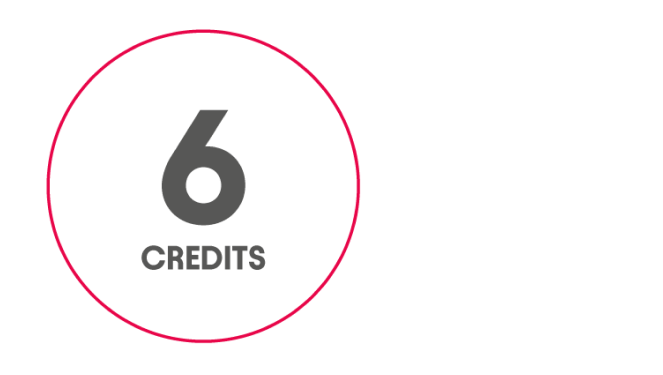
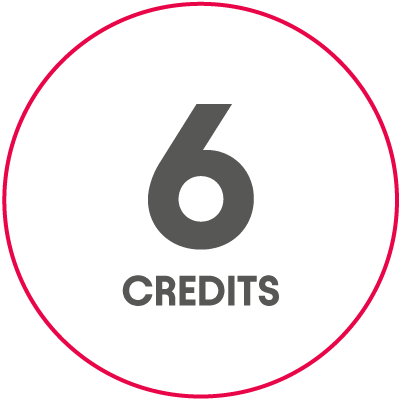
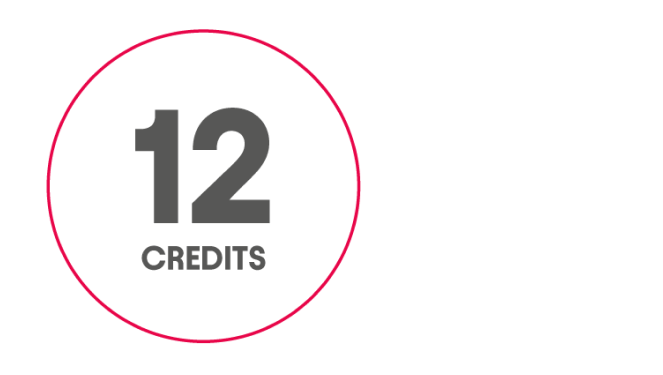
Icon showing the number 6 and the word CREDITS inside a red-bordered circle.

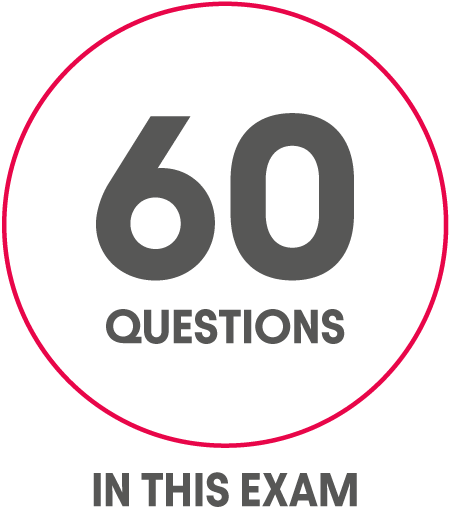
Icon showing the number 60 and the word QUESTIONS, with IN THIS EXAM written below the circle.

DOWNLOAD FULL SYLLABUS

Learning outcomes, assessment criteria and indicative content

1.1 Differentiate between different types of commercial relationships in supply chains

  • 1.1.1Internal and external relationships
  • 1.1.2The relationship spectrum across supply chains
  • 1.1.3The relationship life cycle

1.2 Portfolio analysis techniques to assess relationships in supply chains

  • 1.2.1Matrices to identify supply, supplier and purchaser positioning
  • 1.2.2Developing action plans to improve relationships across supply chains

1.3 Identify the competitive forces that impact on relationships in supply chains

  • 1.3.1Competitive forces: sources of competitive rivalry, bargaining power of buyers and suppliers, threat of new entrants and potential substitutes
  • 1.3.2STEEPLED factors that impact on supply chains (social, technological, economic, environmental, political, legislative, ethical, demographic)

1.4 Compare the sources of added value that can be achieved through supply chain relationships

  • 1.4.1The link between relationships as a process and the achievement of added-value outcomes
  • 1.4.2Sources of added value: pricing and cost management, improving quality, timescales, quantities, place, and environmental, social and governance considerations from procurement working with external suppliers

2.1 Analyse the purpose of organisational procedures and processes in sourcing goods and/or services

  • 2.1.1Securing value for money from suppliers
  • 2.1.2Identification, assessment and selection of suppliers to secure successful relationships
  • 2.1.3Selection and awarding criteria to drive successful supplier relationships

2.2 Compare team management techniques to ensure positive stakeholder relationships

  • 2.2.1Positive relationships through positive contributions
  • 2.2.2Resolving stakeholder differences
  • 2.2.3Identify sources of conflict and methods to manage conflict successfully
  • 2.2.4Working with cross-organisational teams
  • 2.2.5Stages of team development – forming, storming, norming, performing, adjourning

2.3 Compare the practical considerations of stakeholder management

  • 2.3.1Accurate cost-modelling
  • 2.3.2Reducing impact of price fluctuations
  • 2.3.3Early supplier involvement in product and/or service development
  • 2.3.4Knowledge transfer and access to innovation
  • 2.3.5Common metrics to drive change for both organisations
  • 2.3.6Improve risk management and continuity of supply

2.4 Identify the processes for terminating stakeholder relationships

  • 2.4.1Reasons for termination
  • 2.4.2The process of terminating a relationship
  • 2.4.3The importance of timing when managing supplier issues
  • 2.4.4Stakeholder impact of terminating a relationship: amicable and hostile responses
  • 2.4.5Legal considerations – finances, confidentiality, IPR, security, employee rights
  • 2.4.6Succession issues – continuity of supplies

3.1 Analyse the concept of partnering and when to use it

  • 3.1.1Types of partnering
  • 3.1.2Compare partnering and ‘traditional’ contracting agreements
  • 3.1.3The drivers for partnering
  • 3.1.4Advantages of partnering for the purchaser and supplier
  • 3.1.5Circumstances when partnering is a suitable approach: high-risk, high-value, technically complicated supplies; new goods/services; fastchanging technology and restricted markets

3.2 Appraise the process of partnership implementation

  • 3.2.1Identify activities and/or spend suitable for partnering
  • 3.2.2‘Selling’ the partnership philosophy to internal stakeholders
  • 3.2.3Defining the performance standards for potential partners
  • 3.2.4Establish joint commitment for the partnership
  • 3.2.5Partnership reviews and audit arrangements

3.3 Identify the reasons for partnership failure
  • 3.3.1Communication
  • 3.3.2Senior management support and trust
  • 3.3.3Commitment of the parties
  • 3.3.4Planning
  • 3.3.5Value
  • 3.3.6Changes in markets
  • 3.3.7Cultural differences
  • 3.3.8Logistics and proximity of the partners

View other modules

Select a module below for more information: